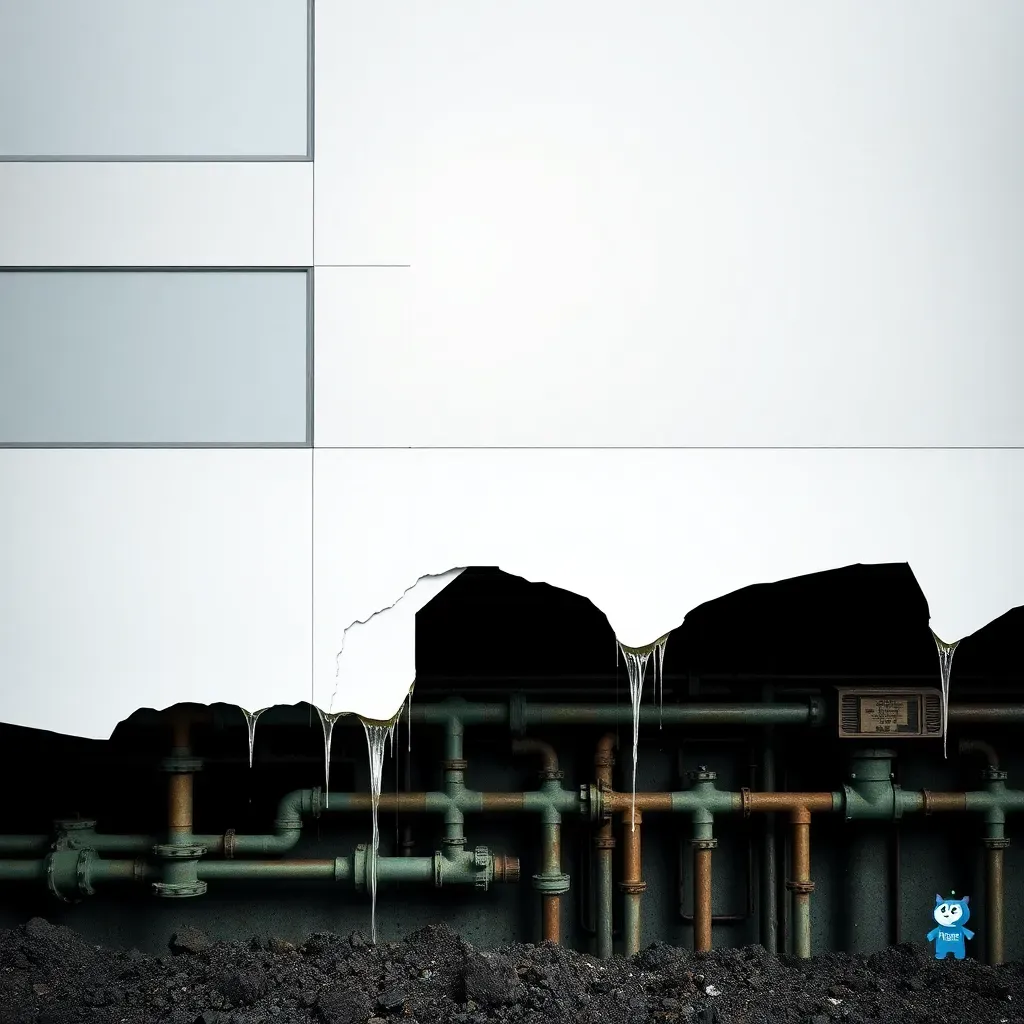
You see a property on the pre-foreclosure list. It looks solid from the outside, maybe needs a new roof and some cosmetic work. You're thinking about the ARV, the rehab budget, the exit strategy. But how deep are you really looking?
Most investors, especially those just starting, fixate on what's visible: the peeling paint, the outdated kitchen, the overgrown yard. They'll budget for new flooring, appliances, and landscaping. And that's fine, as far as it goes. But what about the things you can't immediately see, the systems that silently impact health, maintenance, and ultimately, value? Things like the quality of the water flowing through the pipes.
Recent discussions highlight how crucial water quality is, not just for personal health and comfort, but for the longevity of a home's systems and its market appeal. Even with municipal treatment, aging infrastructure, agricultural runoff, and industrial pollutants mean tap water isn't always pristine. Well water, common in many rural or semi-rural distressed properties, adds layers of complexity with potential mineral deposits, bacteria, and sediment. Ignoring these factors in a distressed deal isn't just a missed opportunity; it's a potential liability that can erode your profit margins or scare off buyers.
When you're evaluating a pre-foreclosure, your job isn't just to see what's broken; it's to diagnose the full health of the asset. This means looking beyond the superficial. A whole-home water filtration system, for example, isn't just a luxury; it’s an infrastructure upgrade that addresses a fundamental need. For an investor, understanding this translates directly into deal qualification and rehab strategy.
Consider a property with visible hard water stains in the bathrooms, corroded fixtures, or a distinct odor from the tap. These are red flags. They indicate potential issues not just with the water itself, but with the plumbing system. Hard water can shorten the lifespan of water heaters, dishwashers, and washing machines. Sediment can clog pipes, reducing water pressure and leading to costly repairs. Bacteria can pose serious health risks, making the property difficult to sell without remediation.
Your due diligence on a distressed property must extend to its water source and quality. For municipal water, ask for recent utility bills and check for any notices from the water department. For well water, a professional water test is non-negotiable. This isn't an optional add-on; it's part of your diagnostic process, as critical as a foundation inspection or a roof assessment. A basic water test can reveal pH levels, hardness, iron, manganese, and common contaminants. More comprehensive tests can identify bacteria like E. coli or harmful chemicals.
Once you have the data, you can integrate it into your Charlie 6 deal qualification. Does the cost of remediation or installing a filtration system fit within your target margins? Does it increase the ARV enough to justify the expense? In many markets, especially those with known water issues or where buyers are increasingly health-conscious, a high-quality water filtration system can be a significant selling point. It transforms a potential liability into an asset, differentiating your flip from others that only focused on paint and carpet.
"We've walked away from deals that looked good on paper but had severe, unaddressable water contamination issues," says Sarah Jenkins, a seasoned investor in the Midwest. "Conversely, we've added significant value by installing whole-home filtration where the neighborhood perception of water quality was low. It's about understanding what truly makes a house a home, and health is at the top of that list."
Think about the long-term maintenance costs for your future buyer or tenant. A home with clean, filtered water will have appliances and plumbing that last longer, reducing headaches for everyone involved. This foresight builds trust and commands a higher price point. It’s about providing a complete, healthy solution, not just a cosmetic refresh.
This isn't about being a water quality expert; it's about being a thorough operator. It’s about understanding that a property is a complex system, and every component, seen or unseen, contributes to its overall value and your ability to execute a profitable exit. Don't let a hidden issue like water quality become the silent killer of your next deal.
See the full system at [The Wilder Blueprint](https://wilderblueprint.com/get-the-blueprint/).