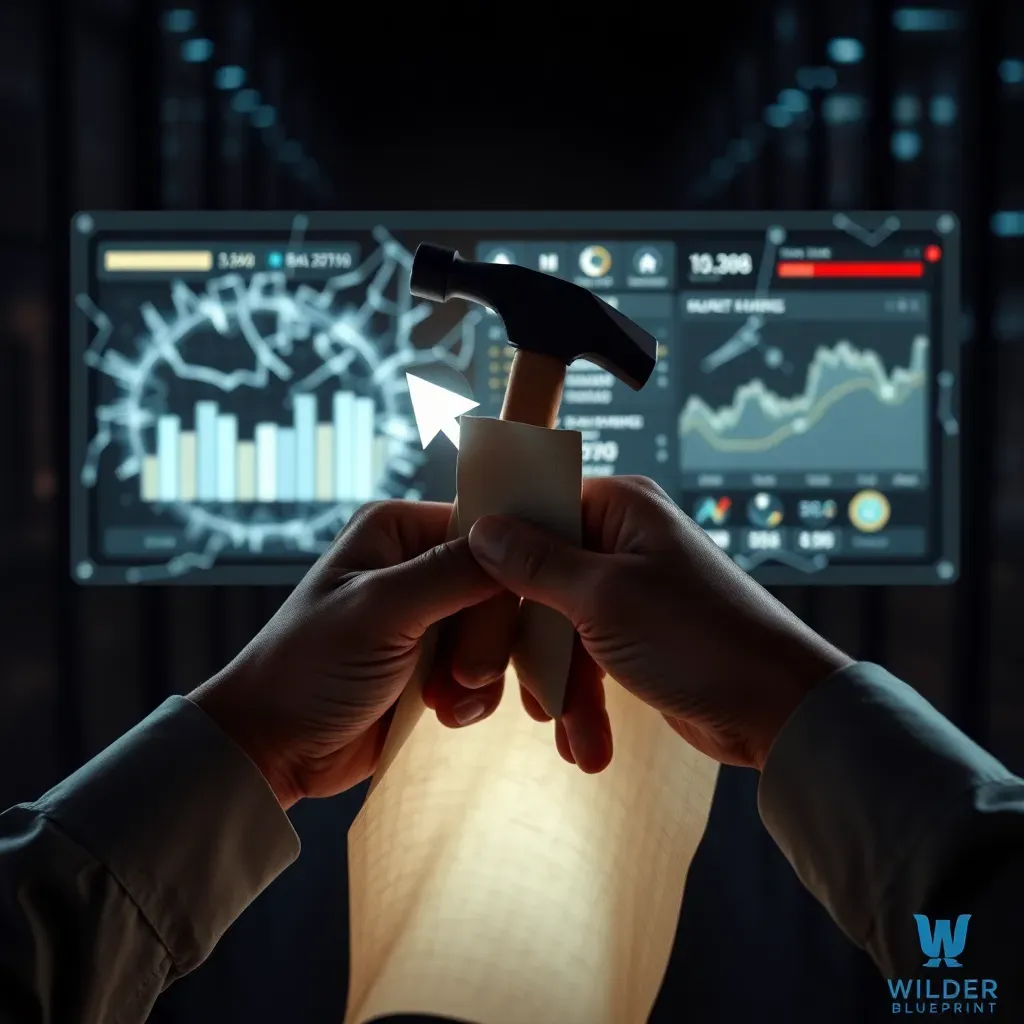
News of the European Commission confirming a significant cyberattack, with hackers claiming to have breached their cloud storage, is more than just a tech headline. It’s a loud, clear signal about vulnerability in complex systems. When a major institution like the EU's executive body can be compromised, it forces us to confront the reality that no system, no matter how robust, is immune to disruption.
For the distressed real estate operator, this isn't about fear-mongering. It's about recognizing a fundamental truth: where there is vulnerability, there is often opportunity for those who understand how to identify, assess, and mitigate risk. In the digital world, it's data. In our world, it's often the physical assets and the people connected to them.
The connection might not be immediately obvious, but it's crucial. A cyberattack on a large institution like the European Commission highlights a systemic weakness in data integrity and security. This same principle of vulnerability applies directly to the underlying assets and operational resilience within the real estate market. Just as digital systems can be breached, physical assets can become distressed due to a multitude of factors – financial, structural, or even environmental. The ability to identify these points of failure, understand their impact, and then act decisively is the hallmark of a successful distressed property investor.
Consider the homeowner facing pre-foreclosure. Their financial system, their personal data, their equity – all are under attack, not by hackers, but by economic pressures, job loss, or health crises. They are vulnerable. Our role isn't to exploit that vulnerability, but to offer a structured, ethical solution. We step in as problem-solvers, not predators. We help them navigate a difficult situation, often protecting their credit and providing a path forward, while simultaneously acquiring an asset at a discount.
"The market is always speaking, if you know how to listen," says Sarah Chen, a seasoned real estate analyst focusing on economic indicators. "Cybersecurity breaches, while seemingly distant, are just another form of systemic shock. These shocks ripple through the economy, affecting consumer confidence, business stability, and ultimately, the housing market. Smart investors see these ripples before they become waves."
This principle extends beyond individual homeowners. Think about institutional owners or even municipalities. Data breaches can lead to significant financial costs, reputational damage, and operational disruptions. These unforeseen expenses can strain budgets, potentially leading to asset liquidation or a decrease in property values as resources are diverted. A disciplined operator understands that these broader economic and technological vulnerabilities can create a pipeline of distressed assets, from single-family homes to commercial properties, as entities seek to shore up their balance sheets or divest non-performing assets.
The tactical response for the distressed real estate operator involves a few key steps. First, sharpen your diagnostic skills. Just as a cybersecurity expert looks for system vulnerabilities, you need to be adept at identifying properties and owners under duress. This means understanding the local market, tracking pre-foreclosure filings, and building relationships. Second, develop a robust due diligence process. The Charlie 6 framework, for instance, allows you to quickly assess a deal's viability, much like an IT audit identifies critical system flaws. You're looking for the true condition of the asset, the owner's motivation, and the potential resolution paths.
"Every distressed asset tells a story of a system under stress," notes Mark Thompson, a veteran real estate investor with a background in risk management. "Whether it's a homeowner's finances or a company's operational integrity, the breakdown creates opportunity. Our job is to provide a solution that benefits all parties, while securing a profitable deal."
Finally, maintain operational integrity in your own business. If large institutions are vulnerable, so are smaller operations. Protect your data, streamline your processes, and build a resilient team. This business rewards structure, truth, and execution. The external world will always present new challenges, but your internal discipline is your greatest defense and your sharpest tool.
Start with the foundations at [The Wilder Blueprint](https://wilderblueprint.com/foundations-registration/) — the entry point for serious distressed property operators.