The market is a living thing. It breathes, it shifts, it evolves. What buyers want today isn't what they wanted yesterday, and it certainly won't be what they want tomorrow. If you're operating in distressed real estate, you need to be acutely aware of these currents, not just the big waves of interest rates or inventory, but the subtle undertows of design preference.
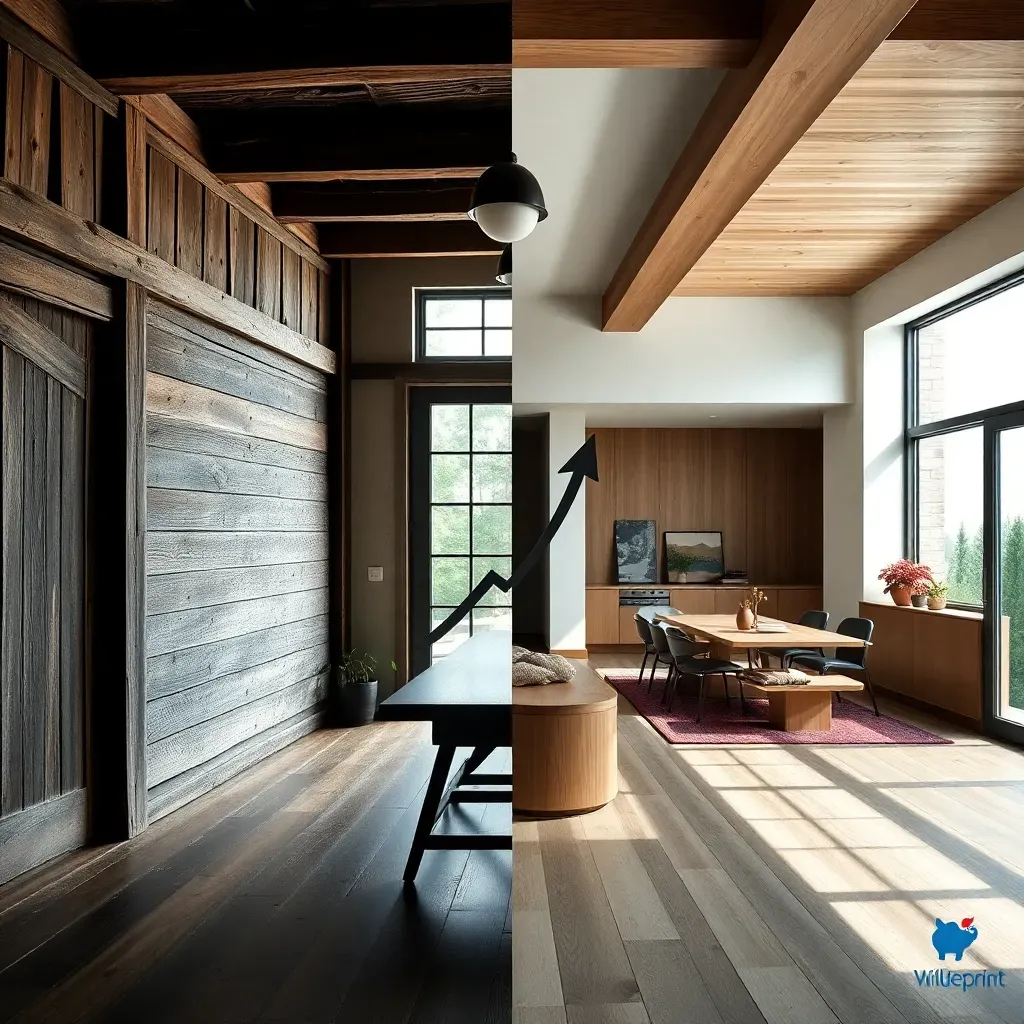
There's a new aesthetic taking hold, often called 'organic modern' or 'new farmhouse.' It's a departure from the rustic, shiplap-heavy look that dominated for years. Think warm whites, natural textures like wood and stone, but paired with clean lines and contemporary materials. It’s less country, more curated. Less distressed, more deliberate. For the operator focused on flipping properties, this isn't just about aesthetics; it's about your After Repair Value (ARV) and how quickly you move a property off the market.
Ignoring these shifts is a rookie mistake. You can't just slap a coat of grey paint on everything and expect top dollar anymore. Buyers are savvier, and their expectations are higher. They're looking for homes that feel current, not dated. This isn't about chasing every fleeting trend, but understanding the underlying principles that drive buyer appeal. Organic modernism, at its core, is about creating spaces that feel calm, natural, and sophisticated. It’s about quality over kitsch.
So, what does this mean for your distressed property strategy? It means a re-evaluation of your renovation budget and material choices. When you're looking at a pre-foreclosure, you're not just assessing the foundation and the roof; you're also diagnosing its aesthetic potential. The Charlie 6, our deal qualification system, helps you identify the core structural and financial viability, but the next layer is understanding the market's demand for the finished product.
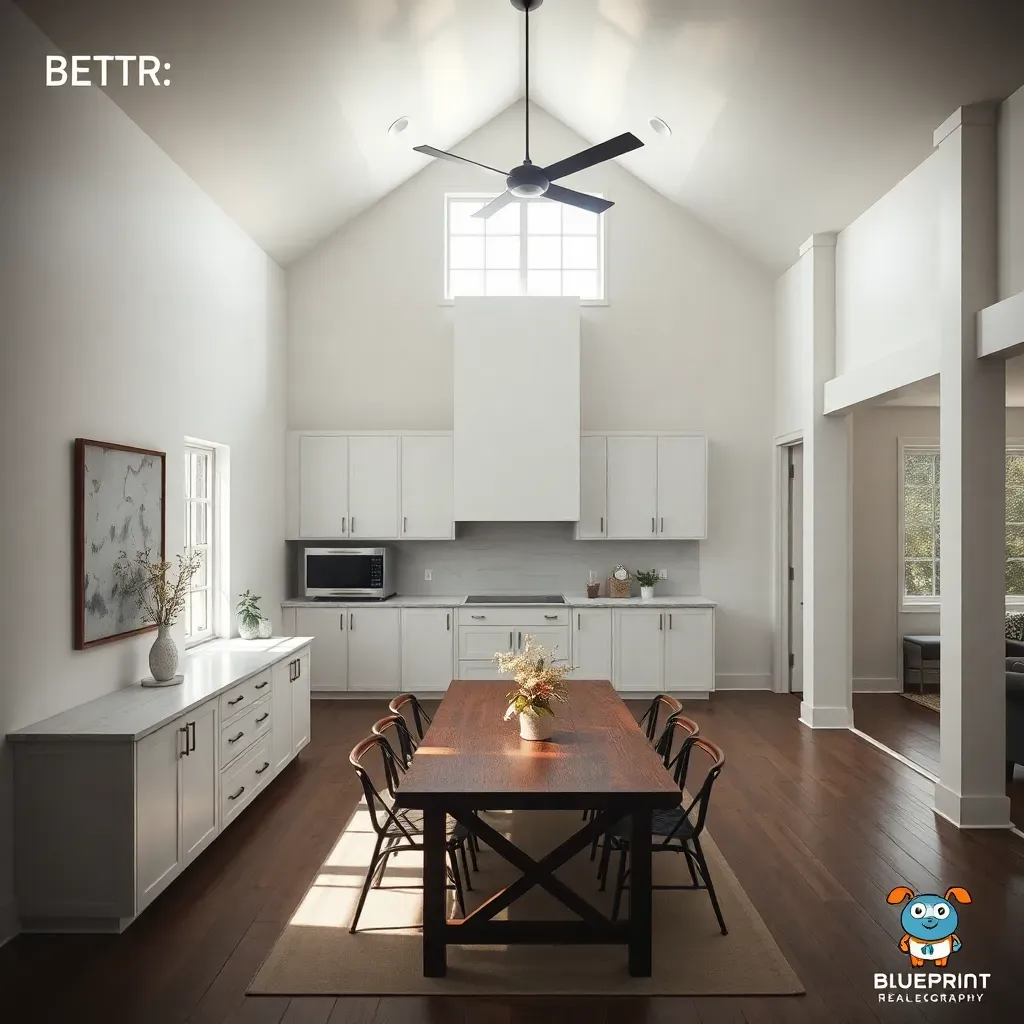
Instead of reclaimed barn wood, consider lighter, wider plank flooring. Swap out chunky, dark fixtures for sleek, minimalist designs in matte black or brushed brass. Focus on natural light and open spaces. Paint colors should lean towards warm neutrals, not stark grays. Countertops might move from busy granite patterns to clean quartz or honed natural stone. It's about creating a cohesive, understated elegance that appeals to a broader, more discerning buyer pool.
"The days of generic flips are over," says Sarah Jenkins, a seasoned real estate analyst specializing in market trends. "Buyers are looking for a specific feeling, a lifestyle. If your renovation doesn't align with that, you're leaving money on the table and extending your holding costs." This isn't about over-improving; it's about smart, targeted improvements that resonate with current tastes. It's about understanding that the 'farmhouse' look has matured, and your rehabs need to mature with it.
Consider the Five Solutions when you're working with a homeowner in pre-foreclosure. If your solution involves a flip, your exit strategy hinges on a swift sale at maximum value. A design that feels fresh and relevant accelerates that process. If your property looks like last decade's trend, you'll be competing on price alone, which erodes your margins. A well-executed organic modern aesthetic, however, positions your property as move-in ready and aspirational, justifying a higher price point.
"We're seeing a clear premium for homes that nail this updated aesthetic," notes Mark Davies, a veteran investor and developer. "It's not about spending more, it's about spending smarter. A few key material choices can make all the difference in how a property is perceived and valued."
This isn't just about paint and fixtures; it's about understanding the psychology of the buyer. They want a home that feels like a sanctuary, a place of calm. Organic modern delivers that. Your job as an operator is to deliver what the market demands, efficiently and profitably. Stay ahead of these shifts, and you stay ahead of the competition.
See the full system at [The Wilder Blueprint](https://wilderblueprint.com/get-the-blueprint/).