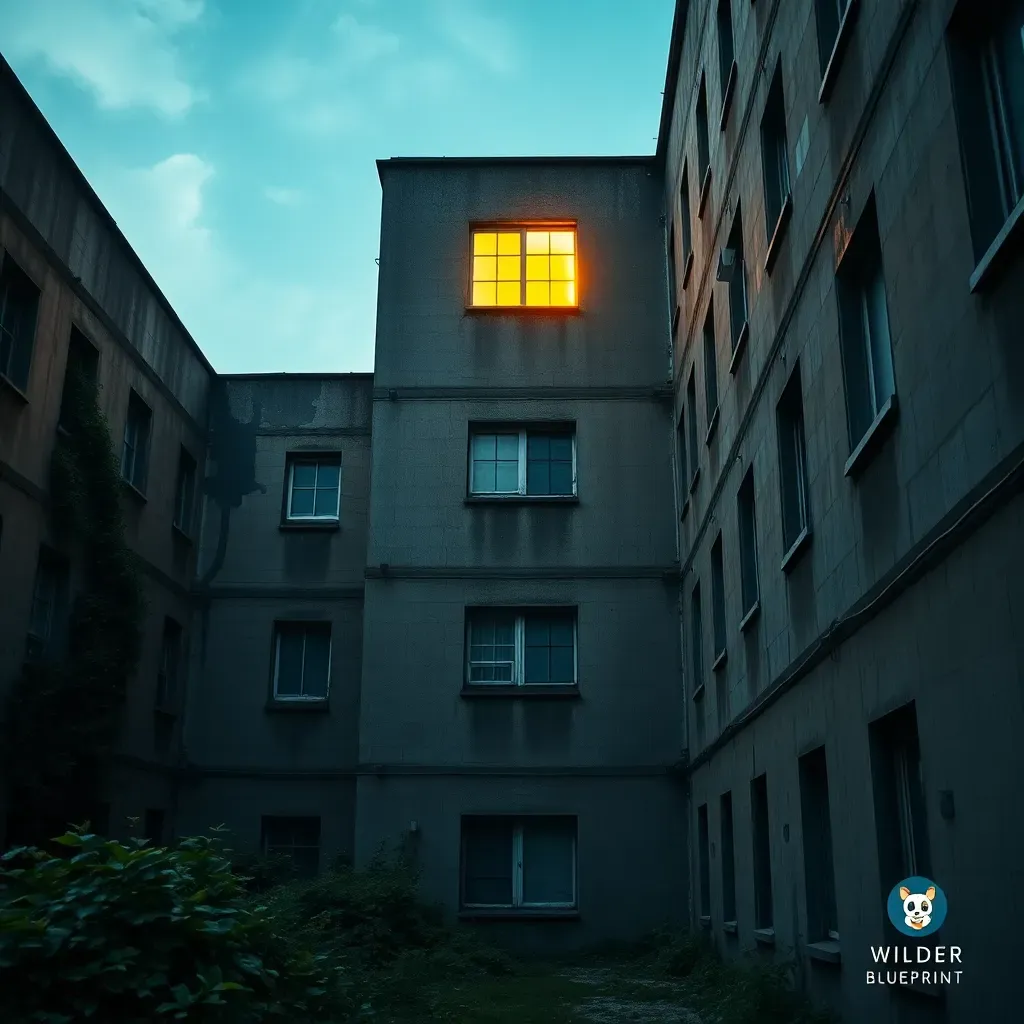
The headlines scream about military families at Randolph Air Force Base suing over 'repulsive' living conditions. Mold, structural issues, pest infestations – it's a stark reminder that not all housing is created equal, and even properties managed by large entities can fall into severe disrepair. While the immediate focus is on the families' plight and the legal battles, for an operator paying attention, this story points to a deeper, more consistent truth in real estate: neglected properties are everywhere, and they represent a significant opportunity.
This isn't just about military housing; it's a symptom of a broader issue. Whether it's a landlord cutting corners, a homeowner unable to maintain their property, or a large institution prioritizing profit over upkeep, properties are routinely allowed to deteriorate. These situations create distress, not just for the occupants, but for the property itself, often leading to a downward spiral that ends in foreclosure or a forced sale. The key for operators is to recognize that behind every story of neglect, there's a property that needs resolution, and often, an owner who needs a way out.
### Identifying the Signal in the Noise
Stories like the one from San Antonio are extreme examples, but they highlight the core problem: deferred maintenance. As an investor, your job isn't to judge, but to identify where this problem exists and how you can provide a solution. These properties often fly under the radar of traditional buyers because they require work, vision, and a clear process. That's where you come in.
“The market is always signaling where the problems are,” says Sarah Chen, a long-time real estate analyst. “When you see widespread neglect, it’s not just a social issue; it’s an economic one. It creates a vacuum for those who can step in and add value.”
Your advantage as a distressed property operator is your ability to see past the current state of disrepair to the underlying value. While others are turned off by the mold or the peeling paint, you're calculating the ARV (After Repair Value) and understanding the cost of remediation. This isn't about exploiting someone's misfortune; it's about providing a structured, efficient path to resolve a property's issues, often benefiting the current owner who is overwhelmed and the future occupant who gets a revitalized home.
### The Operator's Advantage: Structure and Solution
When you approach a neglected property, whether it's a pre-foreclosure or an off-market lead, your role is to be the solution provider. This means having a clear process for evaluating the property's condition, estimating repair costs, and understanding the market value. The Charlie 6 system, for example, allows you to qualify a deal quickly, assessing the property's potential even when it's in rough shape. You're looking for the bones, the location, and the numbers that make sense, not the superficial flaws.
“Many investors get caught up in the emotional aspect of a property’s condition,” notes Mark Jensen, a seasoned investor in the Midwest. “But the numbers don’t lie. A neglected property with good bones in a desirable area is often a better deal than a pristine one that’s already priced to perfection.”
Your ability to acquire these properties without sounding desperate or pushy, but rather as a professional offering a clear resolution path, is paramount. This business rewards structure, truth, and execution. You're not just buying a house; you're buying a problem that you have the expertise to solve, turning an eyesore into an asset.
### Turning Neglect into Net Worth
The San Antonio story is a reminder that neglected properties are a constant in the housing market. They represent a consistent opportunity for operators who understand how to find them, evaluate them, and execute a plan to bring them back to life. This isn't about chasing headlines; it's about understanding the underlying dynamics of distress and positioning yourself as the disciplined operator who can provide real solutions.
See the full system at [The Wilder Blueprint](https://wilderblueprint.com/get-the-blueprint/).