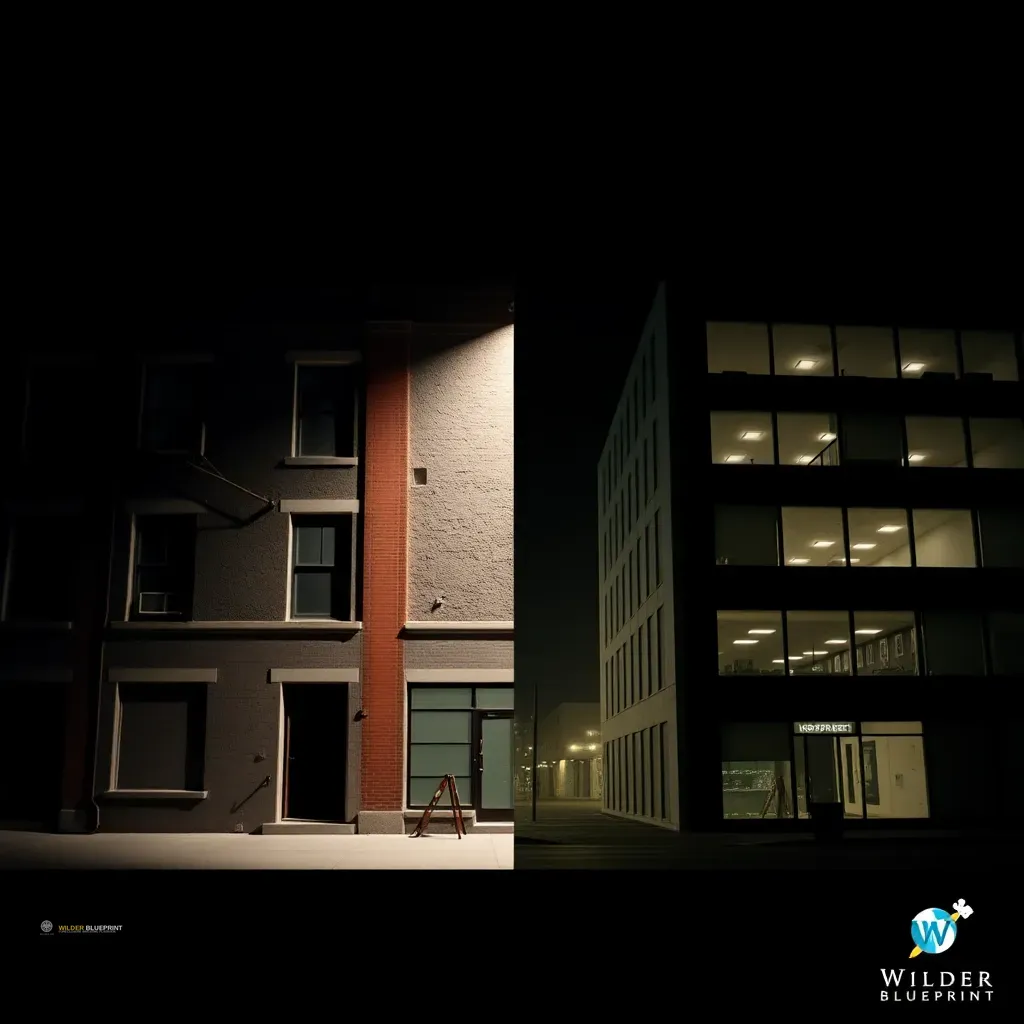
When you see news about a major university like UC Berkeley planning a new 26-story dorm, most people think about student housing shortages, construction jobs, or maybe even skyline changes. But for the operator who understands how markets actually move, this isn't just a building project – it's a flashing light pointing to specific, actionable opportunities in distressed real estate.
This isn't about the dorm itself. It's about the ripple effect. Large-scale student housing developments, especially those near campus, fundamentally alter the local rental market. They introduce a significant supply of new, often purpose-built, and amenity-rich units. This isn't a threat; it's a clarity moment for anyone paying attention to the real underlying dynamics of a market.
The immediate impact is often on older, less competitive rental properties. Think about the landlords who have been renting out their single-family homes or dated multi-unit properties to students for decades. They’ve relied on proximity and a captive market. When a shiny new dorm opens its doors, offering modern amenities, better security, and often a more structured living environment, where do you think the new students will go? And what about the existing students looking to upgrade?
This shift creates a specific type of distress. These long-term landlords, often accidental investors, suddenly face higher vacancy rates, pressure to reduce rents, or the need for significant capital improvements they never budgeted for. Their properties, once reliable income generators, become liabilities. This is where the pre-foreclosure operator steps in.
"The market always corrects," says Sarah Chen, a Bay Area real estate analyst. "New supply doesn't just add units; it redefines expectations for quality and price. Landlords who can't adapt are often the first to face financial strain, creating a prime environment for strategic acquisitions."
Your job isn't to compete with a new 26-story dorm. Your job is to understand its downstream effects. While the university is building for the future, you're identifying the past – the properties that are now functionally obsolete or financially burdensome for their current owners. These are the properties ripe for pre-foreclosure intervention. They might not be in immediate default, but the financial pressure is building, making owners more open to creative solutions.
This requires a disciplined approach to market analysis. Don't just look at foreclosure filings. Look at rental comps, vacancy rates, and the age of the housing stock in the immediate vicinity of such new developments. Identify the submarkets where older rental properties are concentrated. These are your hunting grounds. When you approach these owners, you're not just offering to buy their problem; you're offering a solution to an impending financial squeeze they might not even fully recognize yet.
"The smart money isn't just chasing the next hot neighborhood; it's anticipating the next wave of motivated sellers," notes David Miller, a veteran investor in college towns across the Midwest. "A new dorm is a market-shaping event. It creates winners and, more importantly for us, creates owners who need an exit strategy."
This is where the Charlie 6 framework becomes invaluable. You can quickly assess these properties: What's the current rental income versus market potential? What's the cost to bring it up to a competitive standard? What are the owner's motivations? Is it an accidental landlord tired of tenant headaches, or someone facing a looming mortgage payment they can't cover with reduced rents? Understanding these nuances allows you to tailor one of The Five Solutions and present it without sounding desperate or pushy.
These market shifts are not random; they are predictable. New construction, especially in high-demand areas like university towns, always creates a new baseline. Your role is to be the operator who recognizes the signal, understands the domino effect, and positions yourself to provide a solution to those who are about to be caught in the undertow.
See the full system at [The Wilder Blueprint](https://wilderblueprint.com/get-the-blueprint/).