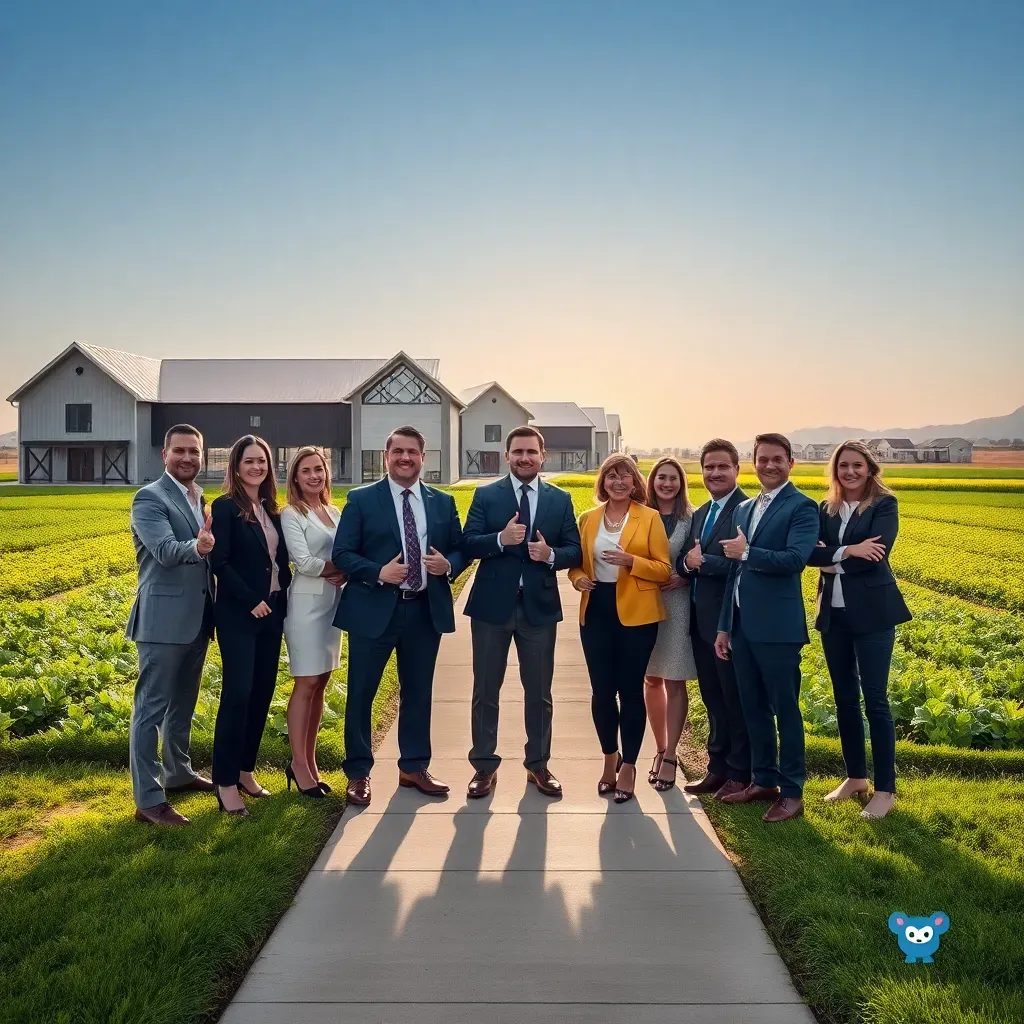
You see headlines about new housing developments – 'farm-centered communities,' 'agrihoods,' 'master-planned villages.' The latest one out of Anna, Texas, talks about a development where folks can buy homes and have access to community gardens, orchards, and even a working farm. On the surface, it sounds idyllic, a return to simpler times, and for some, it’s a compelling vision of homeownership.
But for operators who understand the fundamentals of real estate, these headlines aren't just about lifestyle trends. They're indicators of where capital is flowing, what developers are betting on, and, crucially, what kind of demand is being met – and what kind isn't. While these niche communities cater to a specific buyer, the broader market still operates on principles that create opportunities for those willing to do the work.
"Developers are always looking for the next big thing to differentiate their projects," says Sarah Jenkins, a Dallas-based real estate analyst. "But the core drivers for most homeowners are still location, value, and practicality. These specialized communities represent a small fraction of the market, often at a premium price point."
The truth is, most people aren't looking for a working farm in their backyard. They're looking for a good home, in a good area, at a price they can afford. And that's where the real opportunity lies for distressed property operators. While developers spend millions building out these specialized communities, there's a constant, underlying supply of properties in established neighborhoods that need attention – properties that, with the right approach, can be transformed into exactly what the majority of buyers are looking for.
Consider the economics. A developer building a 'farm-centered' community is taking on significant overhead: land acquisition, infrastructure, specialized amenities, marketing a niche concept. Their profit margins often depend on selling at a premium. As a distressed property operator, you're working with existing assets, often acquired at a discount due to a seller's specific circumstances. Your focus isn't on creating a new lifestyle trend, but on solving a problem for a homeowner and delivering a renovated, move-in ready home to a buyer who values solid construction and a good location over a community chicken coop.
This isn't about chasing fads; it's about understanding the foundational needs of the market. While these new developments grab headlines, the steady demand for well-located, renovated homes in established areas remains. This demand fuels the pre-foreclosure market, where homeowners facing distress need solutions, not just another buyer looking for a quick flip. They need an operator who can offer a clear path forward, without sounding desperate or like they just discovered YouTube.
"The market always has room for innovation, but the fundamentals never change," notes Mark Thompson, a veteran investor specializing in suburban infill projects. "For every niche community, there are dozens of neighborhoods where solid, renovated homes are in high demand. That's where the consistent, repeatable business is built."
The key is to stay disciplined. Don't get distracted by the shiny new developments. Focus on the Charlie 6 – your diagnostic system for quickly qualifying a deal. Is it a good location? Is there enough equity? Can you solve the seller's problem? These are the questions that lead to profitable outcomes, regardless of whether the latest trend involves community gardens or pickleball courts.
The market will always have its trends and its headlines. Your job as an operator is to cut through the noise and focus on what truly creates value: identifying distressed properties, providing solutions to homeowners, and delivering quality homes to the market. That's where you build a lasting business.
See the full system at [The Wilder Blueprint](https://wilderblueprint.com/get-the-blueprint/).