You're seeing headlines about free online courses teaching health professionals about climate change and its health impacts. On the surface, this might seem like a niche topic, far removed from the world of distressed real estate. But if you're paying attention, you'll recognize that every major societal shift—be it economic, technological, or environmental—creates a new landscape of opportunity and challenge. This isn't about debating the science; it's about understanding the practical implications for property values and homeowner stability.
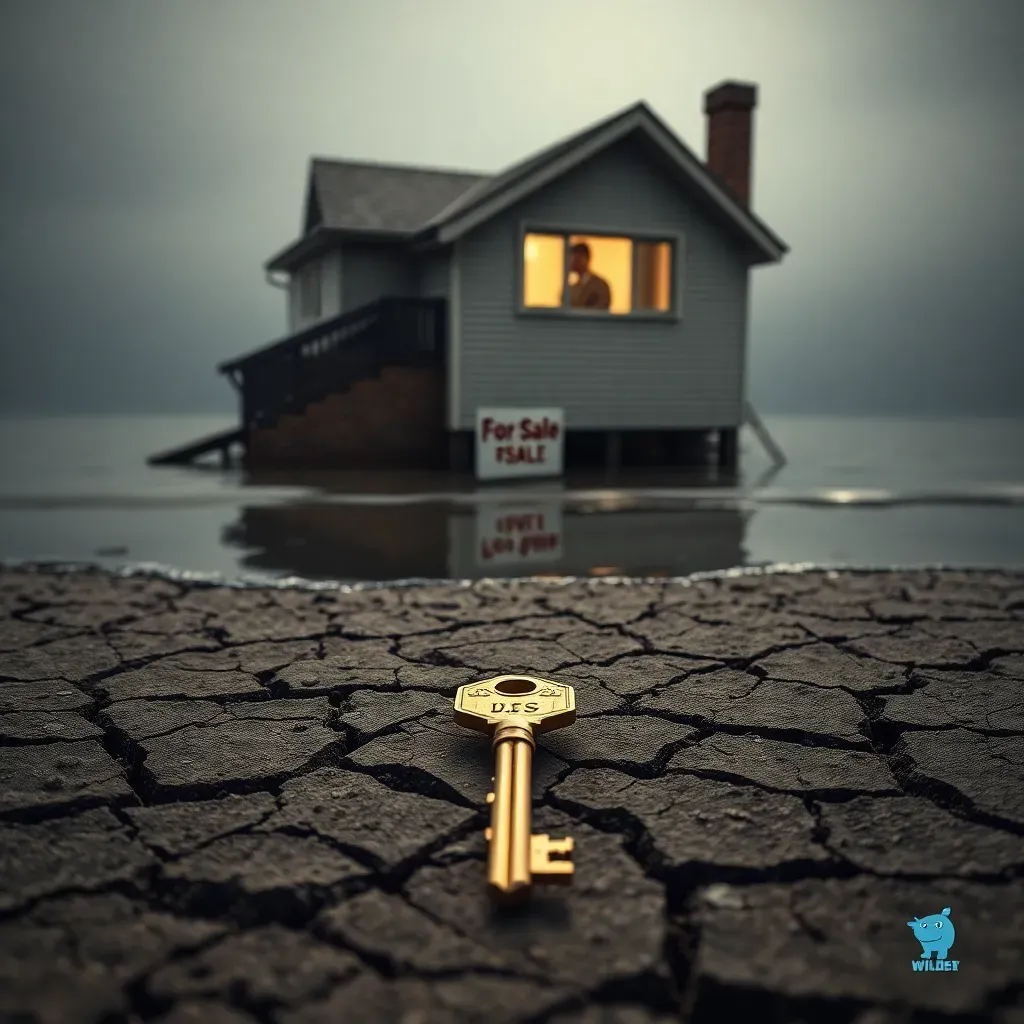
When communities face new environmental pressures, whether it's increased flooding, wildfires, or shifts in agricultural viability, the economic stability of those areas can erode. Insurance costs rise, property values become uncertain, and the underlying financial health of homeowners can be compromised. For the disciplined operator, these aren't just abstract problems; they're indicators of potential distress, leading to pre-foreclosures and foreclosures. This isn't about exploiting misfortune; it's about providing solutions to homeowners caught in a changing environment, often before they even realize the full extent of their vulnerability.
Consider the impact on property insurance. "We've seen a significant uptick in insurance non-renewals and skyrocketing premiums in certain coastal and wildfire-prone regions," notes Sarah Jenkins, a seasoned real estate analyst specializing in risk assessment. "This directly impacts homeowners' ability to afford their mortgages, pushing many into default even if their income hasn't changed." When insurance becomes unaffordable or unavailable, lenders often force-place expensive policies, or worse, declare the loan in default. This creates a clear path to pre-foreclosure.
Beyond insurance, environmental shifts can impact local economies. A prolonged drought can devastate agricultural communities, leading to job losses and business closures. Increased heat can strain energy grids, driving up utility costs. These factors, while seemingly distant from a homeowner's mortgage payment, collectively create financial pressure points. Many homeowners, especially those on fixed incomes or with tight budgets, find themselves unable to absorb these escalating costs. They may start missing payments, falling behind, and eventually facing the grim reality of foreclosure.
This is where the prepared operator steps in. We're not waiting for the market to crash; we're identifying the subtle, underlying currents that lead to distress. This requires a structured approach to market analysis, looking beyond just interest rates and employment figures. It means understanding local vulnerabilities, whether they're tied to an aging infrastructure, a single-industry economy, or environmental risks. The Charlie 6, our deal qualification system, isn't just about property condition; it's about diagnosing the homeowner's situation and the market forces at play.
For example, an operator might identify a neighborhood where flood insurance rates have doubled in the last two years. This is a red flag. Homeowners there are likely facing financial strain, and many will be open to solutions. Your job isn't to lecture them on climate change; it's to offer a clear, respectful path forward, whether that's a quick sale, a lease-option, or another of The Five Solutions. You're providing a service, alleviating a burden, and doing so with integrity.
"The smart money is always looking at the second and third-order effects of major trends," says David Chen, a private equity investor focused on real estate. "While the headlines focus on the immediate, the real opportunities emerge from the systemic changes that follow." This is about being proactive, not reactive. It's about recognizing that shifts in our environment, much like shifts in the economy, create new categories of distressed properties and new avenues for value creation.
This business rewards structure, truth, and execution. If you're ready to understand how to identify these opportunities and approach homeowners with solutions, not desperation, then you need a system.
See the full system at [The Wilder Blueprint](https://wilderblueprint.com/get-the-blueprint/).