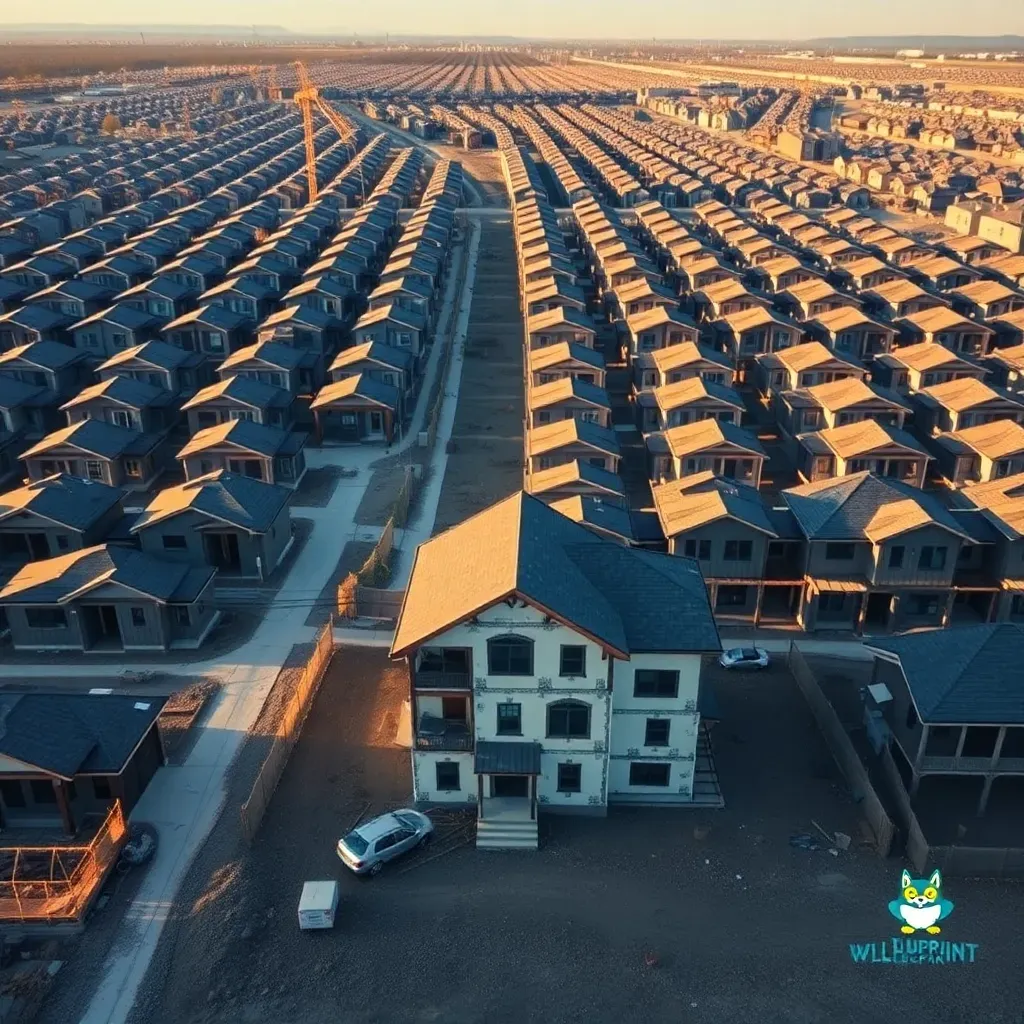
There's a lot of talk right now about where people are moving. The latest headlines confirm what many of us have been observing: Gen Z is heading to the Midwest, chasing affordability. They're finding homes 30% cheaper than on the coasts, and they're voting with their feet, bringing their capital and their future earning potential with them.
This isn't just a trend piece for a lifestyle magazine; it's a fundamental shift in where people are choosing to live and invest their resources. When a significant demographic cohort like Gen Z starts relocating en masse, it creates ripples. It means new demand for housing, new jobs, and new opportunities for those who are paying attention. The question for us, as operators, isn't *if* this is happening, but *how* we position ourselves to capitalize on it.
This migration isn't about chasing the next hot market; it's about understanding underlying demand. These aren't speculative buys; these are homes people need to live in. For the distressed real estate operator, this demographic shift provides a clearer target. You're not just buying a property; you're buying into a market with increasing intrinsic demand. This means less risk on the exit, whether you're flipping or holding.
"The smart money doesn't follow the crowd; it anticipates where the crowd is going," observes Sarah Chen, a market strategist specializing in housing trends. "This Midwest movement isn't just about cheap homes; it's about a generation establishing roots, which translates to long-term stability for housing markets."
So, what does this mean for your operation? It means refining your focus on these specific markets. Instead of broadly casting a net, you're looking for pre-foreclosures and distressed assets in the neighborhoods where these new residents are likely to settle. These are often areas with solid, if not spectacular, job growth, good infrastructure, and a lower barrier to entry for first-time homebuyers or renters.
Your job is to identify the properties that, with the right resolution path, will appeal to this demographic. This isn't about luxury flips; it's about clean, functional, updated homes at an accessible price point. Think about the Charlie 6 here: Does the property meet the core criteria for a solid deal? Is the equity there? Can you acquire it right? And then, can you execute a renovation that aligns with the needs and budgets of these incoming residents?
"We're seeing a clear pattern: the markets with strong job diversity and a low cost of living are attracting talent," says David Miller, a veteran investor with a portfolio across several Midwest states. "For distressed properties, this means your exit strategy is more robust. You're not hoping for appreciation; you're meeting existing demand."
This isn't about getting caught up in the hype. It's about recognizing a fundamental economic shift and applying a disciplined approach to it. While others are just reading the headlines, you should be refining your target markets, understanding local foreclosure timelines, and building relationships in these areas. The blueprint for success remains the same: find the distressed asset, solve the seller's problem, and execute a clear resolution path. The only difference is now you have a clearer picture of who your end buyer or tenant will be.
The complete 12-module system, including the Charlie 6 and all three operator tracks, is inside The Wilder Vault.